Dermabrasion New York City, NY

Resurface Skin for a Smoother Appearance

Introduction to Dermabrasion and Dermaplaning

Top New York plastic surgeon Dr. Darrick Antell is board-certified in plastic surgery, with an emphasis on aesthetic/cosmetic surgery. He performs two procedures: dermabrasion and dermaplaning.

Dermabrasion and dermaplaning are procedures that can give skin a smoother appearance. If you are considering either dermaplaning or dermabrasion in New York City, this section will give you a basic understanding of them.

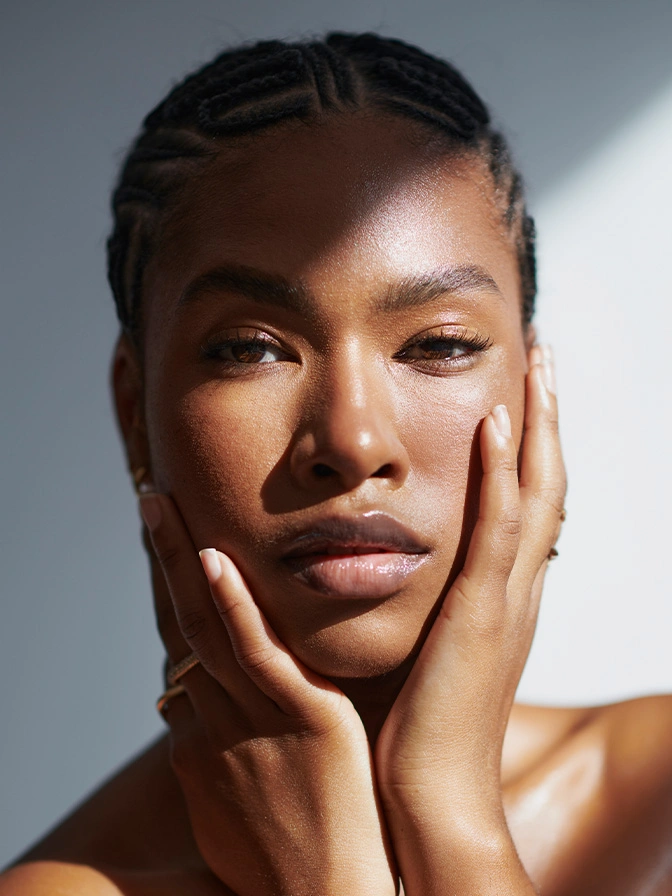
Black woman with glowing skin and natural makeup posing with hands on face in beauty portrait - dermabrasion in New York, NY

What is Dermabrasion and Dermaplaning?

Dermabrasion and dermaplaning help “refinish” the skin’s top layers through controlled surgical scraping. The treatments soften the sharp edges of surface irregularities, giving the skin a smoother appearance.

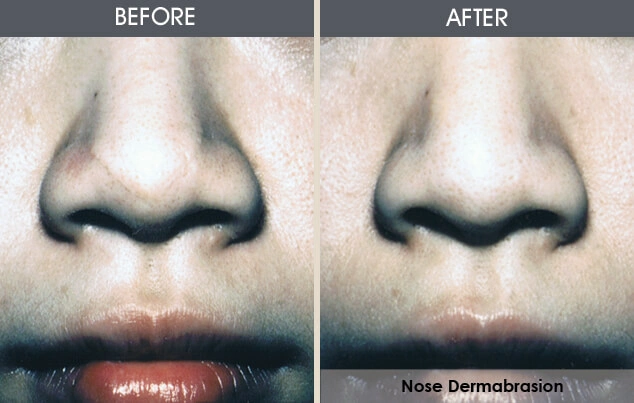
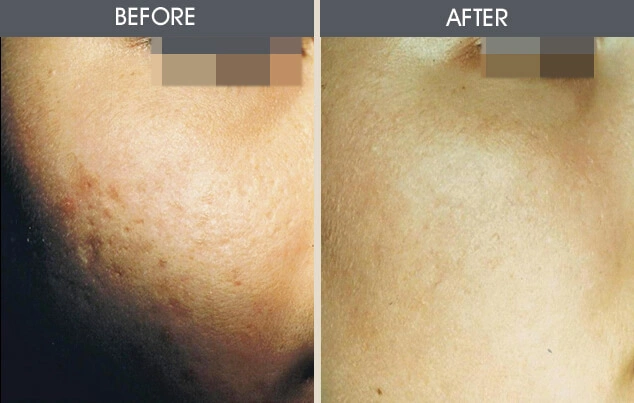
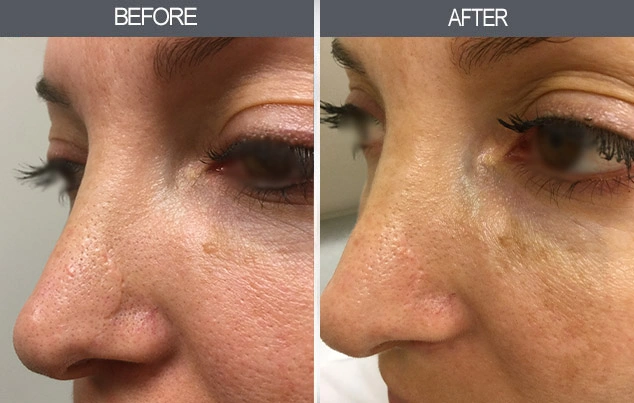
Dermabrasion is most often used to improve the appearance of facial skin scarred by accidents or previous surgery, or to smooth fine facial wrinkles, such as those around the mouth. It’s also sometimes used to remove the pre-cancerous growths called keratoses. Dermaplaning is commonly used to treat deep acne scars.

Both dermabrasion and dermaplaning can be performed on small areas of skin or on the entire face. They can be used alone or in conjunction with other procedures, such as a facelift, scar removal or revision, or a chemical peel.

If you’re considering surgery to refinish the skin, this information will give you a basic understanding of the procedure—when it can help, how it’s performed, and what results you can expect. It can’t answer all of your questions, since a lot depends on your individual circumstances. Please ask your doctor about anything you don’t understand.

Considering Alternative Procedures

Dr. Antell has deep knowledge of how to combine dermabrasion and dermaplaning with other treatments to enhance your desired outcome further. During your consultation in New York City, Dr. Antell may recommend additional treatments to combine with your dermabrasion or dermaplaning.

If you’re planning “surface repairs” on your face, you may also be considering a chemical peel, an alternative method of surgically removing the top layer of skin. Dermabrasion and dermaplaning use surgical instruments to remove the affected skin layers, while chemical peels use a caustic solution.

Many plastic surgeons perform all three procedures, selecting one or a combination of procedures to suit the individual patient and the problem. In general, chemical peels treat fine wrinkles, while dermabrasion and dermaplaning address deeper imperfections such as acne scars. A non-chemical approach may also be preferred for individuals with slightly darker skin, especially when treating limited areas of the face, since dermabrasion and dermaplaning are less likely to produce extreme changes and contrasts in skin color.

The Best Candidates for Dermabrasion & Dermaplaning

Dr. Antell’s dermaplaning and dermabrasion procedures in NYC can enhance your appearance and your self-confidence, but neither treatment will remove all scars and flaws or prevent aging. Before you decide to have a skin-refinishing treatment, think carefully about your expectations and discuss them with your surgeon.

Men and women of all ages, from young people to older adults, can benefit from dermabrasion and dermaplaning. Although older people heal more slowly, your skin type, skin tone, and medical history are more important factors. For example, black skin, Asian skin, and other dark complexions may become permanently discolored or blotchy after a skin-refinishing treatment. People who develop allergic rashes or other skin reactions, or who get frequent fever blisters or cold sores, may experience a flare-up. If you have freckles, they may disappear in the treated area.

In addition, most surgeons won’t perform treatment during active acne because of the higher risk of infection. The same may be true if you’ve had radiation treatments, a bad skin burn, or a previous chemical peel.

In general, the best candidates for dermabrasion:

  • Want to achieve smoother, clearer, brighter skin on their face
  • Have specific skin concerns, such as acne scars, pox marks, deep wrinkles, and pre-cancerous skin patches
  • Do not smoke
  • Are in good overall health

What Are the Benefits of Dermabrasion and Dermaplaning?

Dermabrasion and dermaplaning at Dr. Antell’s practice in New York City help patients improve their skin’s appearance in a variety of ways, helping them look and feel more confident.

Dermabrasion patients achieve the following benefits:

  • Minimizes visibility of deeper acne scars
  • Smoother wrinkles
  • Even pigmentation by correcting age and sun spots
  • Long-lasting resurfacing results
  • Boost in collagen and elastin production

Dermaplaning patients achieve the following benefits:

  • Instant removal of dry, dead skin cells and peach fuzz
  • Allows serums and moisturizers to penetrate deeper
  • Clearer skin surface
  • Provides a smooth, hair-free surface for seamless makeup application
  • Safe for sensitive skin
Dr Antell consulting with patient walking together in modern medical office hallway - in New York, NY

How to Begin Your Dermabrasion or Dermaplaning Journey

Because inadequately trained practitioners have sometimes offered these treatments, it’s especially important that you find a doctor (typically a plastic surgeon or dermatologist) who is trained and experienced with the procedure. After all, dermabrasion and dermaplaning usually involve the most visible part of your body – your face.

Here are some things you can expect during your initial consultation in New York City:

  • Be open in discussing your expectations with your surgeon
  • Don’t hesitate to ask any questions or express any concerns you may have
  • Your surgeon should be equally open with you, explaining the factors that could influence the procedure and the result, such as your age, skin condition, and previous plastic surgeries
  • The surgeon will discuss your medical history, conduct a routine examination, and photograph your face.
  • They should explain the procedure in detail, including its risks and benefits, recovery period, and costs.

Preparing for Dermabrasion & Dermaplaning

Your surgeon will give you specific instructions on how to prepare for surgery, including guidelines on eating and drinking, and on avoiding aspirin and other medications that affect blood clotting. You may also receive special instructions for caring for and treating your skin before surgery.

If you smoke, you’ll probably be asked to stop for 7-14 days before and after surgery, since smoking decreases blood circulation in the skin and impedes healing. While you’re preparing, be sure to arrange for someone to drive you home after surgery and help you for a day or two if needed.

Types of Anesthesia Used for Dermabrasion & Dermaplaning

Dermabrasion and dermaplaning can typically be performed using local anesthesia alone. A numbing spray, such as freon, may also be used alone or in addition to local anesthesia. However, when appropriate, sedation (also known as twilight anesthesia) may be recommended to enhance your comfort. Dr. Antell will discuss whether sedation is indicated for your procedure during your consultation.

What to Expect on the Day of Dermabrasion or Dermaplaning Treatment

Dr. Antell performs all dermabrasion and dermaplaning as outpatient procedures at his fully accredited, private operating room on the Upper East Side of Manhattan, New York City.

Dermabrasion and dermaplaning can be performed fairly quickly. The procedures usually take from a few minutes to an hour and a half, depending on how large an area of skin is involved. It’s not uncommon to perform the procedure more than once, or in stages, especially when scarring is deep or a large area of skin is involved.

​In dermabrasion, the surgeon scrapes away the outermost layer of skin with a rough wire brush or a burr containing diamond particles, attached to a motorized handle. The scraping continues until the surgeon reaches the safest level that will make the scar or wrinkle less visible. In dermaplaning, the surgeon uses a hand-held instrument called a dermatome.

Resembling an electric razor, the dermatome has an oscillating blade that moves back and forth to evenly “skim” off the surface layers of skin that surround the craters or other facial defects. This skimming continues until the lowest point of the acne scar becomes more even with the surrounding skin. The surgeon may then treat the skin in several ways, including ointment, a wet or waxy dressing, dry treatment, or a combination of these.

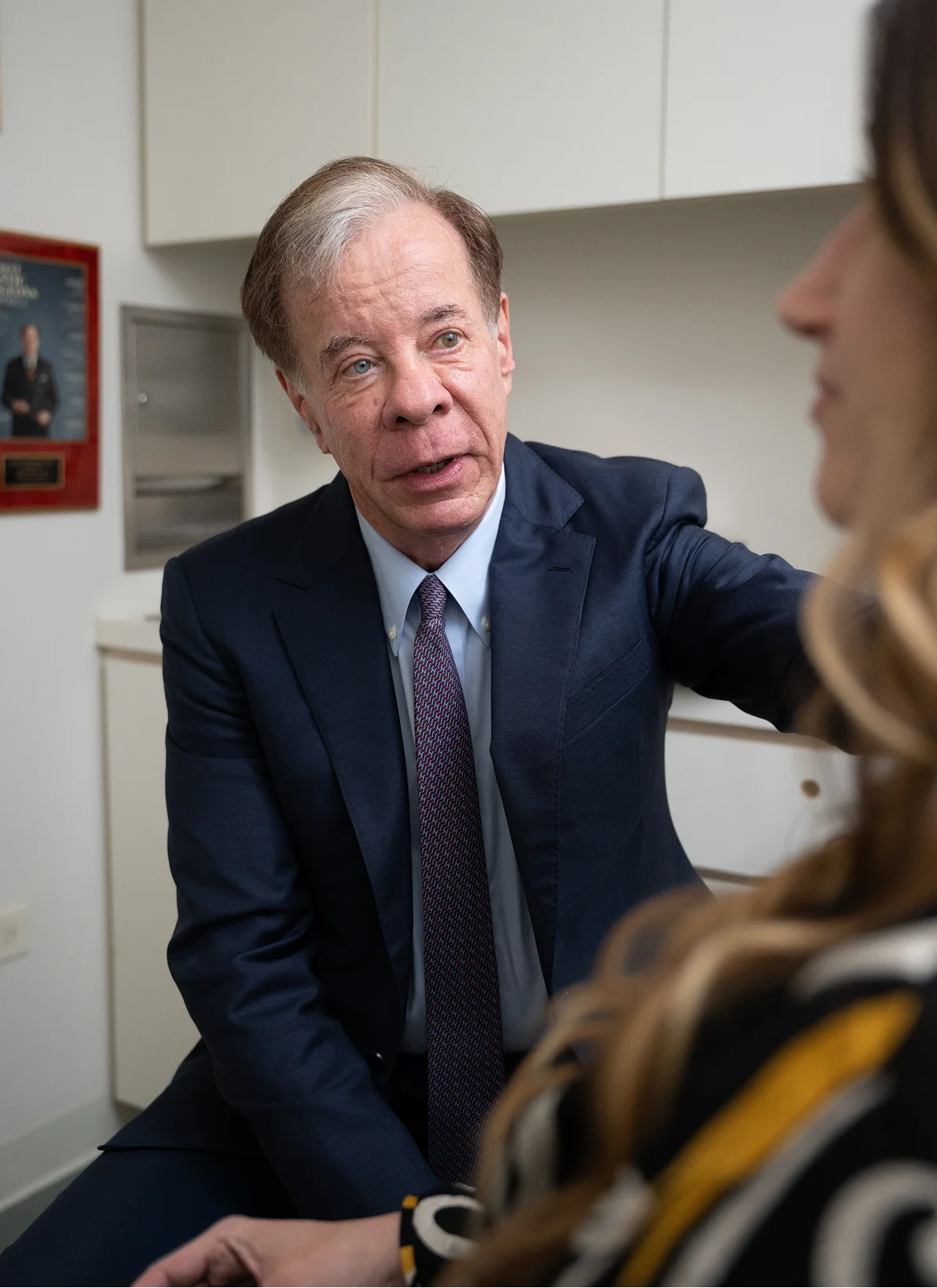
Dr Antell in navy suit and tie having serious discussion in office setting - in New York, NY

After Your Dermabrasion & Dermaplaning

Right after the procedure, your skin will be quite red and swollen, and eating and talking may be difficult. You’ll probably feel some tingling, burning, or aching; you can control any pain with medications prescribed by your surgeon. The swelling will begin to subside in a few days to a week.

If you remember the scrapes you got when you fell down as a child, you’ll have an idea of what to expect from this type of surgery. A scab or crust will form over the treated area as it begins to heal. This will fall off as a new layer of tight, pink skin forms underneath. Your face may itch as new skin forms, and your surgeon may recommend an ointment to help you feel more comfortable. If ointment is applied immediately after surgery, little or no scab will form.

In any case, your surgeon will give you detailed instructions to care for your skin after surgery. For men, this will include delaying shaving for a while, then using an electric razor at first. It’s very important that you understand your doctor’s instructions and follow them exactly, to ensure the best possible healing.

If you notice the treated area worsening rather than improving—for example, if it becomes increasingly red, raised, and itchy after it has started to heal—it may be a sign that abnormal scars are forming. Call your surgeon as soon as possible so that treatment can begin early.

Recovery After Dermabrasion & Dermaplaning

Your Guide to Post-Dermabrasion & Dermaplaning Care

Your new skin will be a bit swollen, sensitive, and bright pink for several weeks. During this time, you can begin gradually resuming your normal activities.

You can expect to be back at work in about 10-14 days. Your surgeon will probably advise you to avoid any activity that could cause a bump to your face for at least 10-14 days. Avoid more strenuous sports, especially ball sports, for 4 to 6 weeks. If you swim, stick to indoor pools to avoid sun and wind, and keep your face out of chlorinated water for at least four weeks. It will be at least three to four weeks before you can drink alcohol without experiencing a flush of redness.

Above all, it’s important to protect your skin from the sun until the pigment has completely returned, which can take six to twelve months.

How Much Does Dermabrasion & Dermaplaning Cost in New York City, NY?

The cost of dermabrasion and dermaplaning in New York City depends on the size of the treatment area, how many areas are being treated, the extent of the treatment, anesthesia costs, and the provider’s expertise.

Insurance usually doesn’t cover cosmetic procedures; however, it may cover dermabrasion or dermaplaning when performed to remove precancerous skin growths or extensive scars. Check your policy or call your carrier to be sure.

You will receive a full cost breakdown during your consultation.

Why Choose Dr. Antell?

Dr. Antell has a reputation for excellence in plastic surgery, as he has been named a “Top Plastic Surgeon” by Harper’s Bazaar, Town and Country, Vogue, New York Magazine, as well as a Castle Connolly Top Doctor many times throughout the years. Dr. Antell will also be recognized among Newsweek’s America’s Best Plastic Surgeons 2026. Recognized worldwide for his exceptional surgical outcomes, he is regarded by his peers as being one of the most accomplished plastic surgeons in the nation.

Dr. Antell is an official spokesperson for the American Society of Plastic Surgeons, is board-certified by the American Board of Plastic Surgery, and is a member of many regional and national medical societies, including the American Society of Aesthetic Plastic Surgery and the American Society of Plastic Surgeons. Dr. Antell is also a Fellow of the American College of Surgeons.

NYC Plastic Surgeon

MD, FACS

Dermabrasion FAQ’S

  • “I recommend him with complete confidence”

    It is rare to find a physician who combines exceptional surgical talent with genuine kindness and integrity, but Dr. Antel does exactly that. I recommend him with complete confidence to anyone

    Giovanni S.

  • “I am extremely grateful”

    I am extremely grateful for the care I have received over the years and would not hesitate to recommend Dr. Antell and his wonderful team—Rosa, Nancy, and Tiffany—to anyone.

    Anonymous

  • “I’m so pleased and grateful”

    I recently underwent a breast augmentation procedure with Dr. Antell at his New York City office. I’m so pleased and grateful for a seamless experience and successful result.

    Theresa D.

  • “Had a fantastic experience”

    Had a fantastic experience with Dr. Antell and his entire team in NYC, Manhattan. From start to finish, they made what could have been a stressful process feel smooth, comfortable, and well-managed.

    Ben R.

  • “Highly recommend”

    Him and his team has always made me feel comfortable through any process/procedure(shoutout to Nancy and Rosa!). Highly recommend.

    Eric L.

Schedule a Consultation

In-Office & Virtual Consultations with Dr. Antell are Available

Location New York, NY
5 Stars 418 Reviews